What is omnichannel retail? An explanation for retailers
You hear it everywhere: omnichannel. But what does it actually mean, what’s the difference with multichannel, and how do you get started as a retailer? In this article, we explain it clearly, with concrete examples for shop owners.
What omnichannel means
Omnichannel is a strategy where all of a business’s sales channels are seamlessly connected. The customer experiences the same information, the same stock and the same service everywhere, whether they’re standing in your shop, ordering through your webshop, or calling you.
The word itself is Latin-English: omni means “all”, channel refers to a sales channel. Literally, then: “all channels”. But the essence isn’t the number of channels, it’s the integration between them.
💡 Core idea: with omnichannel, one system always knows what the other is doing. A purchase in the shop is immediately visible in the webshop. An online return is handled in the shop. Always. Automatically.
Omnichannel vs. multichannel: what’s the difference?
The two terms are often used interchangeably, but they’re fundamentally different. Here’s the difference at a glance:
| Feature | Multichannel | Omnichannel |
|---|---|---|
| Channels | Multiple (shop, webshop, app) | Multiple + interconnected |
| Stock | Tracked separately per channel | Centralised, synced in real time |
| Customer data | Fragmented across systems | Centrally available to every channel |
| Customer experience | Differs per channel | Consistent, the same everywhere |
| Risk | Overselling, price discrepancies | Minimal — everything always matches |
Multichannel: multiple channels, not connected
A multichannel retailer sells through a webshop and a physical shop, but manages them separately. Stock adjustments in the shop get passed to the webshop manually or with a delay. Customers who buy online can’t return items in-store without manual adjustments. The two worlds exist side by side, but rarely look at each other.
That works fine as long as you’re small. But as soon as your volume grows, the errors start to pile up: a product gets sold online that was already sold out in the shop. The customer is frustrated. You have to issue a refund or disappoint them.
Omnichannel: all channels seamlessly integrated
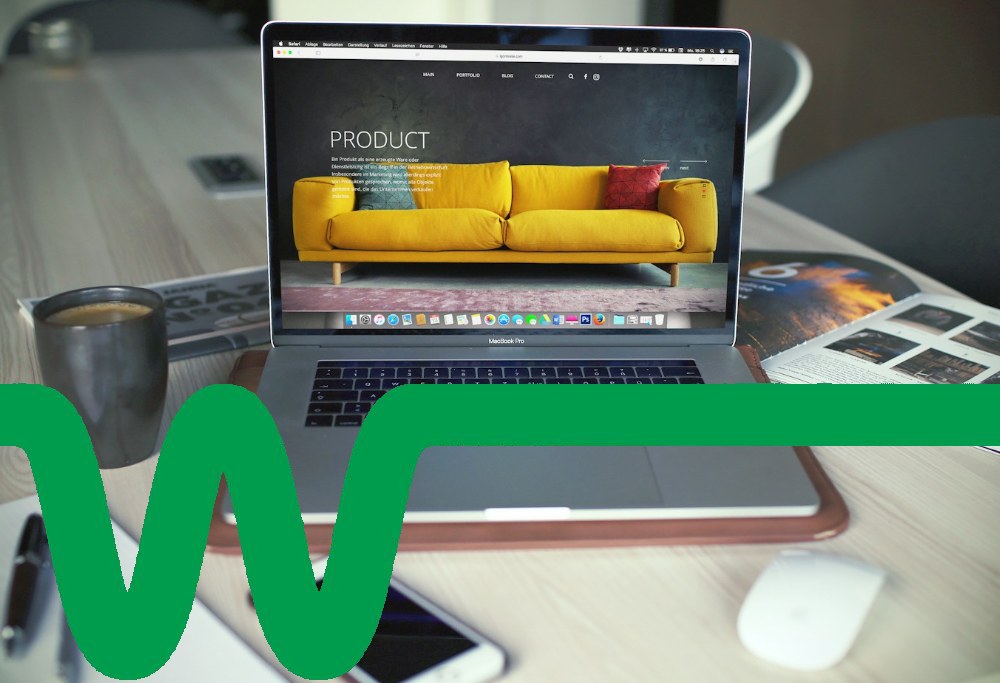
With omnichannel, all information flows through one central system. Sell in the shop, the webshop updates automatically. Order via the webshop, handle it in-store without a problem. A customer asks about stock over the phone, and staff see the same figures as those shown on the webshop.
That’s the difference. Not multiple channels, but channels that work together as one whole.
3 examples of omnichannel in practice
Click & collect: order online, pick up in-store
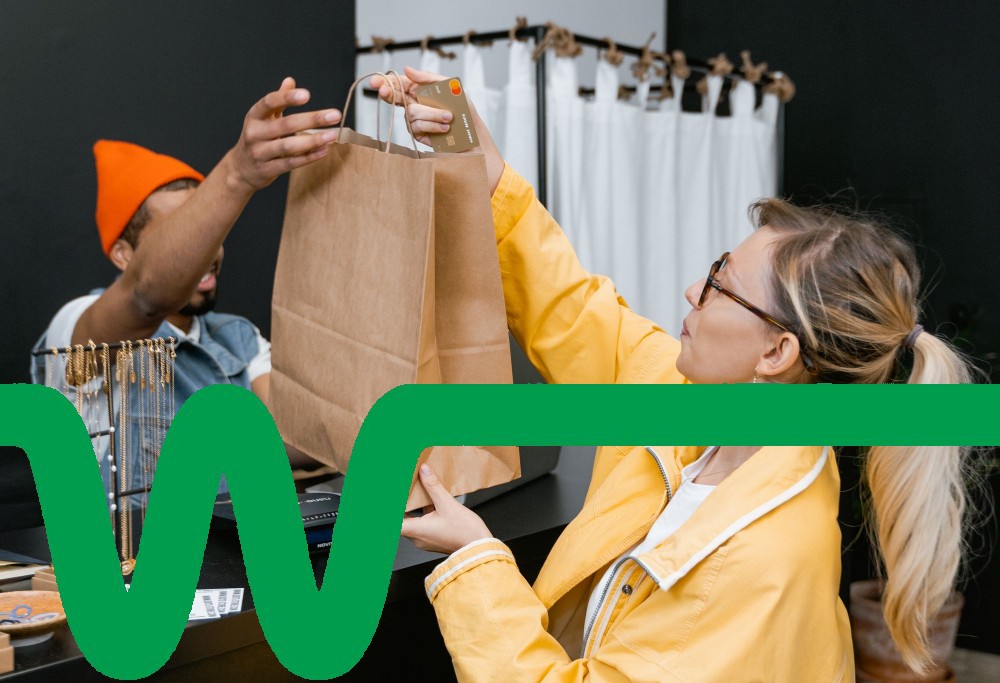
A customer orders a product through your webshop and chooses to pick it up in-store. Without omnichannel, the shop only finds out about that order the next morning. With omnichannel, it’s visible immediately, and the stock is reserved straight away, so no one else buys the same product while it’s already been promised.
In-store return for an online purchase
A customer buys a jacket online but wants to exchange it in the physical shop. With multichannel, this is a logistical nightmare. With omnichannel, the shop assistant sees the original order, proof of payment and order history, and can handle the exchange on the spot. No manual work, no frustration.
Real-time stock visibility for customers and staff
A customer calls to ask whether a product is available in the shop. Without omnichannel, someone counts by hand or checks yesterday’s spreadsheet. With omnichannel, staff see the exact stock instantly, and the customer can even check via the webshop whether their local shop has the product.
Further reading
What is an omnichannel strategy?
An omnichannel strategy is the deliberate plan to connect all your sales channels, both technically and organisationally. You decide which channels you manage, how your stock is synchronised, and how customer data becomes centrally available.
Good omnichannel retailers don’t think in channels. They think in customer experiences. The question isn’t “how do I manage my webshop?” but “how does my customer buy, and how do I make sure every experience is right?”
That starts with three building blocks:
Centralised stock management
One stock overview for every channel. Every sale (online or offline) adjusts the stock immediately. No overselling, no manual corrections.
Integrated till system
Your in-store till and your webshop are connected in real time. Prices, promotions and stock are the same everywhere. So you never have to manage things twice again.
Central order tracking
Whether an order comes in through Shopify, your POS or a marketplace, you process everything in one place. Less switching, fewer errors, faster delivery.
How do you get started with omnichannel retail?
Most retailers don’t start their omnichannel journey with a big project, but with a specific pain point: overselling, complaints about returns, or manual work that takes too much time.
The smartest first step is connecting your shop and webshop through a centralised system. One tool that brings together stock, orders and customer information, instead of separate apps that only partly talk to each other.
Frequently asked questions about omnichannel
Omnichannel means that all of a business’s sales channels — shop, webshop, app, phone — are seamlessly connected. The customer experiences one complete brand experience, regardless of which channel they shop through. Stock, orders and customer information are managed centrally.
With multichannel, a business sells through multiple channels, but they operate independently. With omnichannel, all those channels are interconnected: a sale in the shop immediately adjusts the stock on the webshop, and a customer can buy online and return in-store without any problems.
No. Omnichannel is just as relevant for SMEs with a shop and a webshop. In fact, the need is sometimes even greater: small teams can’t afford manual errors or double administration. With the right software, omnichannel is achievable and affordable for 2 to 50 FTEs too.
Start with centralised stock management and an integrated till system. Connect your shop and webshop so stock, orders and customer information sync in real time. You don’t have to do everything at once: solving one specific pain point is already a strong first step.
You need a platform that centrally manages stock, orders, POS (in-store sales) and webshops. Deskflow is built for retailers who want to combine in-store sales and webshop (e.g. Shopify or WooCommerce), without separate apps or manual work.
Get your shop and webshop working together?
Do you sell through a physical shop and Shopify or WooCommerce, and does your stock regularly get out of sync as a result? Deskflow synchronises your shop, webshop and till in real time. That way, overselling and manual corrections disappear, even with a small team.
Ready to try Deskflow yourself?
Start your free 14-day trial. No credit card, no obligations. Up and running in under 10 minutes.